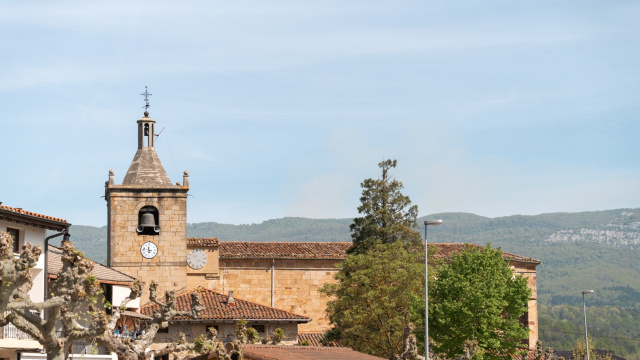
CHURCH OF OUR LADY
A 17th-century church in the Gothic style, featuring pointed arches, Baroque altarpieces and an organ dating from 1846. Of particular note are its star-shape...
This 17th-century church attracts considerable interest, mainly for its predominantly Gothic style though it also incorporates elements from later periods, many added during restoration after the severe fire of 1813. The church has a Latin cross plan with a single nave. At the west end are the parish house, the tower with an internal staircase, and a small octagonal baptistery. The nave is covered with ribbed vaults in four sections, and the chancel features star-shaped tracery that catches the eye immediately. On the exterior, a wooden-roofed porch shelters the main pointed-arch entrance. The tower, at the south-west corner, rises through four sections to the belfry with semicircular arches on all four sides.
The current high altarpiece is late Neoclassical, replacing the original lost in the 1813 fire; it incorporates surviving images including a 16th-century Renaissance Virgin and Child, a 17th-century Romanist carving of Saint Peter, and an early 17th-century Calvary. The Baroque altarpieces of the Virgin of the Rosary (Gospel side) and the Crucified Christ (Epistle side) both date from the 17th century. Also of note: the organ from 1846 and the medieval baptismal font, two outstanding elements reflecting the church's continuous liturgical use throughout its history.
The current high altarpiece is late Neoclassical, replacing the original lost in the 1813 fire; it incorporates surviving images including a 16th-century Renaissance Virgin and Child, a 17th-century Romanist carving of Saint Peter, and an early 17th-century Calvary. The Baroque altarpieces of the Virgin of the Rosary (Gospel side) and the Crucified Christ (Epistle side) both date from the 17th century. Also of note: the organ from 1846 and the medieval baptismal font, two outstanding elements reflecting the church's continuous liturgical use throughout its history.
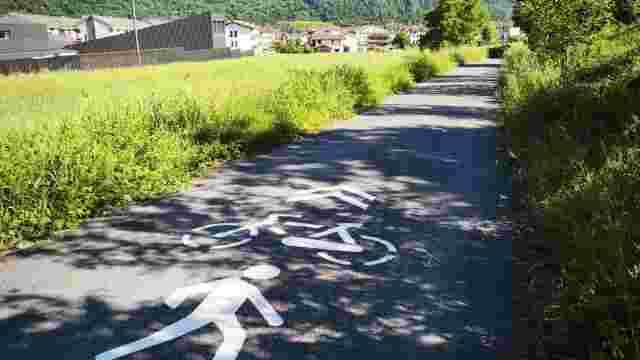
Sakana Cycle Valley_ D Altsasu_ Dir Irurtzun-Ziordia
A one-way cycle route, ideal for exploring scenic landscapes and picturesque streets, whilst respecting local traffic.
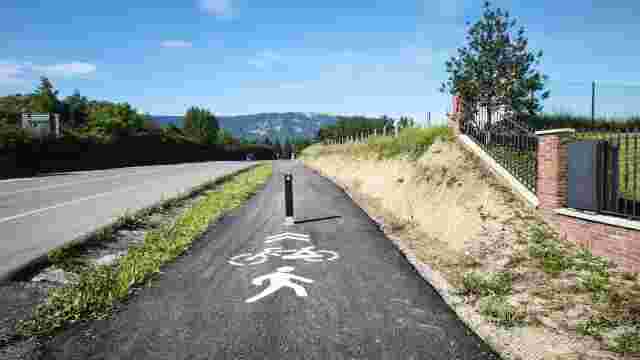
Sakana Cycle Route_ D Lizarraga
Diversion from Etxarri-Aranatz to Lizarraga.
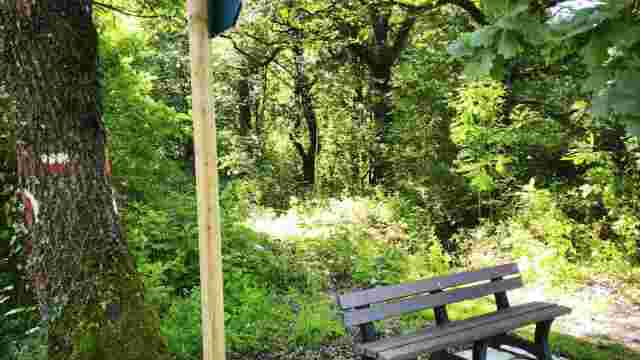
Sakana Ciclable_D Camping Etxarri
A short branch off the Sakana cycle route, which links the village of Etxarri-Aranatz with the campsite.
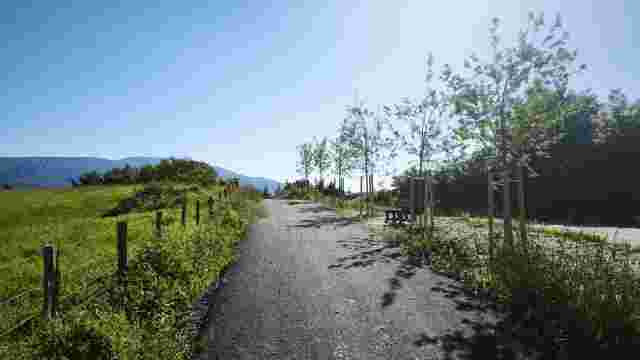
Sakana Ciclable_D Ihabar+Errotz
A branch line running from Ihabar to the towns of Satrustegi, Zuhatzu, Ekai and Urrizola, ending at Errotz.
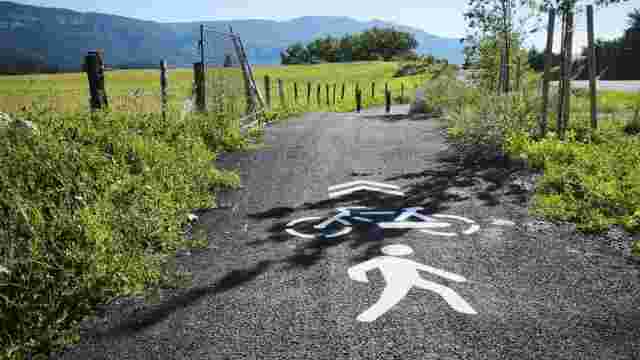
Sakana Ciclable_D Izurdiaga
A branch of the Sakana cycle route connecting Egiarreta with Etxarren and Izurdiaga.
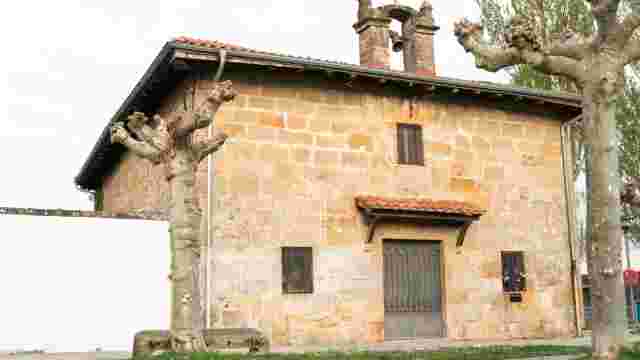
CHAPEL OF SANTO CRISTO DE OTADIA
A 16th-century chapel housing a revered Renaissance carving, with festivities held on 30 May and 14 September.
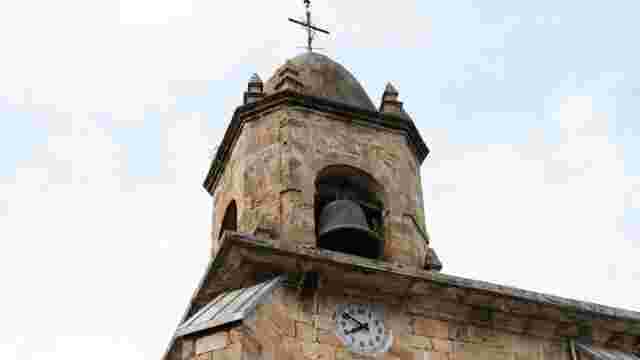
CHURCH OF OUR LADY OF THE ASSUMPTION
A Renaissance church featuring a 17th-century Baroque altarpiece depicting scenes from the Passion and the Nativity, and a 15th-century polychrome Gothic car...
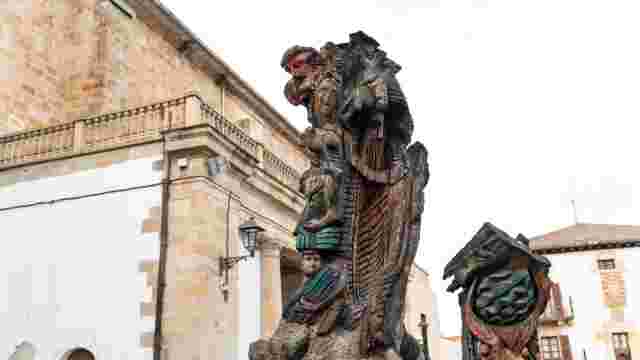
SUSTRAI ALTSASUARRAK
A monument featuring 28 figures that capture the local spirit: traditions, landscapes and mythology, situated in a central square.
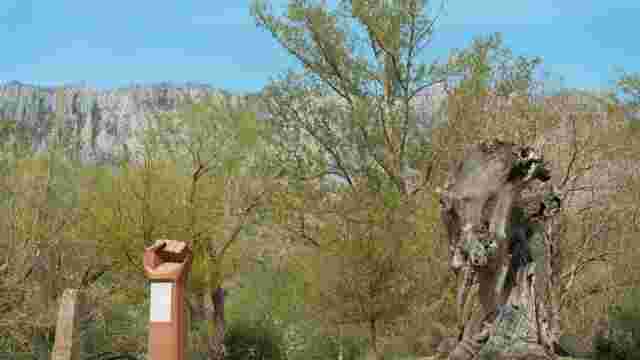
MEMORIAL PARK
A monolith and thirteen oak trees pay tribute to the victims of the repression of 1936, providing a place for historical reflection near the castle.
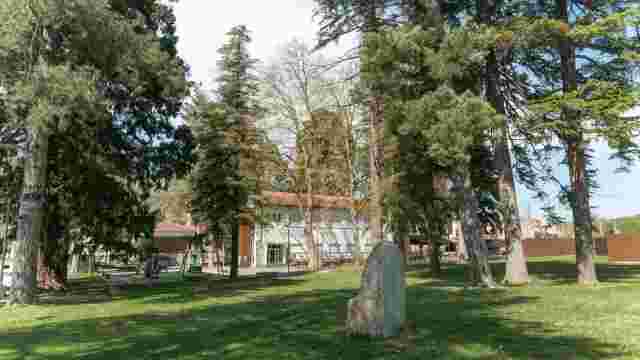
HISTORICAL MEMORIAL PARK
A monolith in a park pays tribute to the victims of the repression of 1936, providing a space for remembrance and reflection on freedom and social equality.
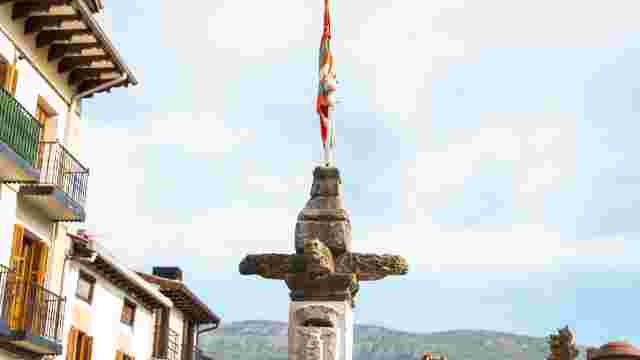
PICOTA (LAKUNTZA)
A 16th-century structure featuring the local coat of arms and lions as gargoyles, topped by an iron cross; a historic monument symbolising justice and public...
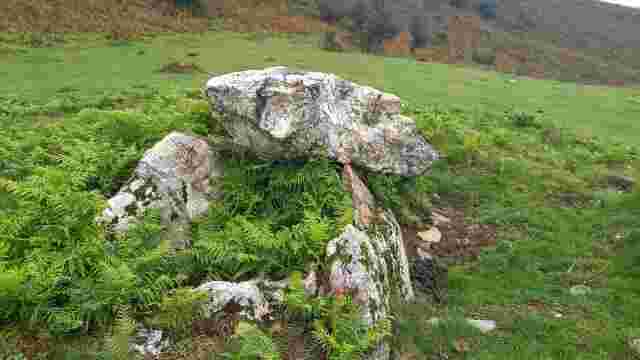
MEGALITHIC RUINS
Megalithic monuments and scenic routes offer a unique experience, with panoramic views and traces of ancient metalwork.
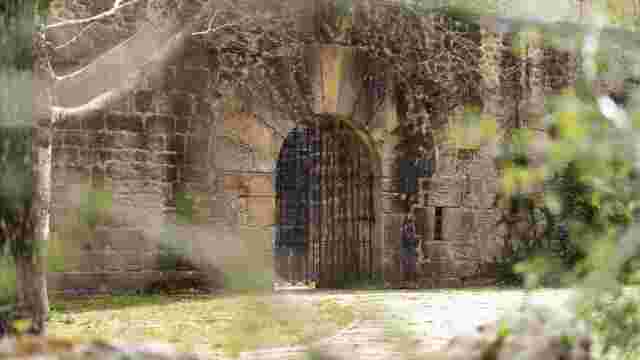
CASTLE
Medieval ruins with sturdy walls and arrow slits, now a park and promenade, evoke the site’s defensive past and its historical link to the Fueros de la Burunda.
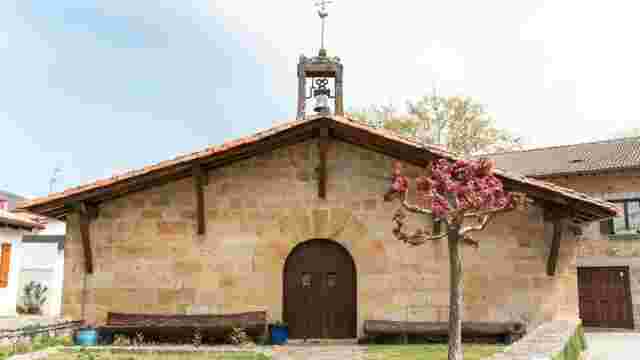
CHAPEL OF OUR LADY OF THE MIRACLE
A 16th-century Renaissance altarpiece featuring a carving of the Virgin Mary and a relief depicting the Annunciation, a major artistic attraction for visitors.
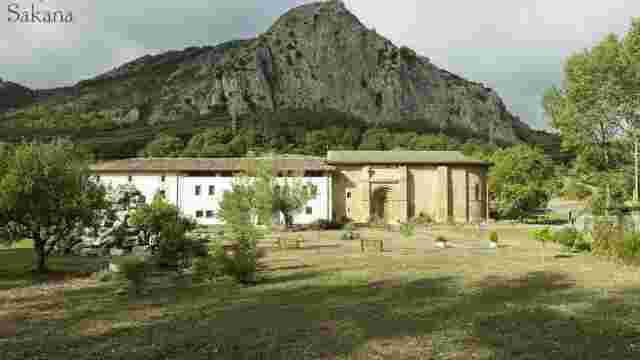
ZAMARTZE MONASTERY
An ancient Roman site with a Romanesque church, ideal for prayer and exploring Christian history, surrounded by footpaths on Mount Beriain.
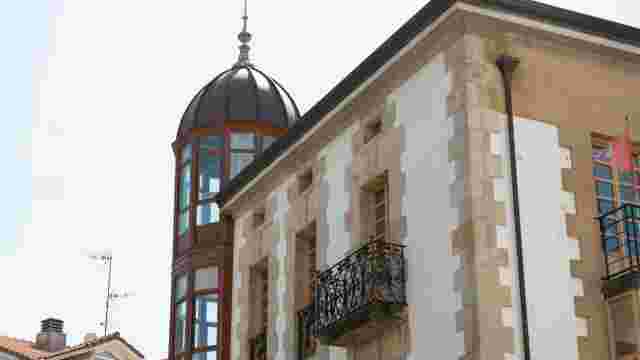
Town Hall
A Modernist building featuring a tower balcony and stonework on the façade, notable for its unique architecture in a rural setting.
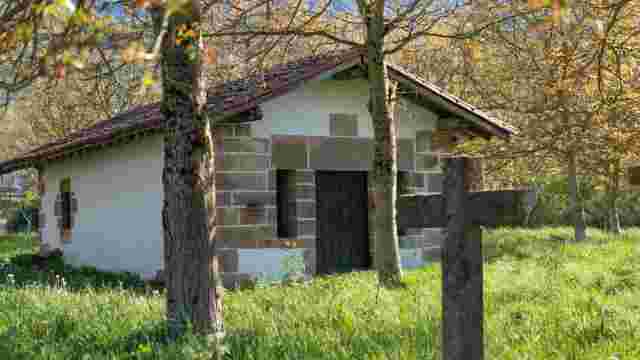
CHAPEL OF OUR LADY OF EL PILAR
The chapel, rebuilt in 1714, houses an alabaster statue and hosts a traditional event on 12 October.
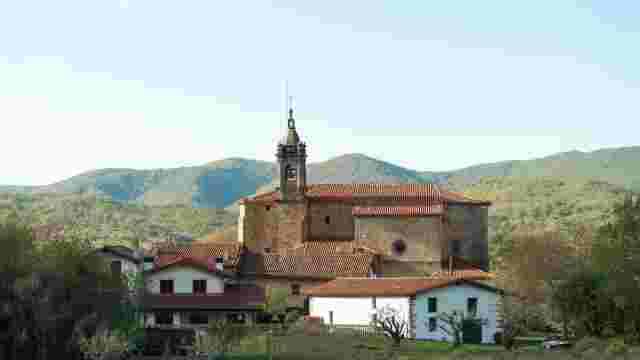
Parish of Saint Michael
A Baroque tower featuring a double-headed eagle and an altarpiece from 1740 by Juan Bautista de Suso, perfect for lovers of history and architecture.
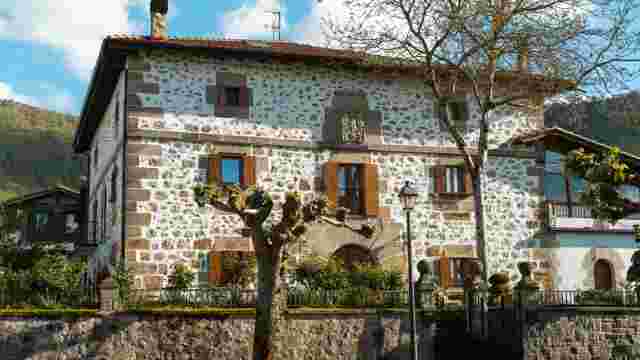
KORTEDERÍA
An 18th-century mansion featuring a Baroque coat of arms, balconies and a bilingual inscription, commemorating the patronage of Abbot José Galarza.
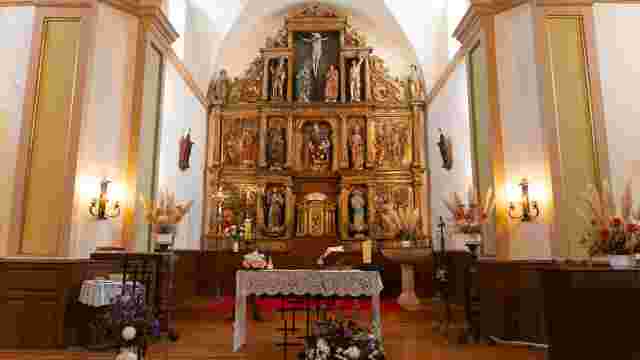
MAIN ALTAR OF THE CHAPEL OF SAINT STEPHEN
A 16th-century Mannerist altarpiece and a 17th-century baptismal font are the highlights of this refurbished church, which features Counter-Reformation-era s...
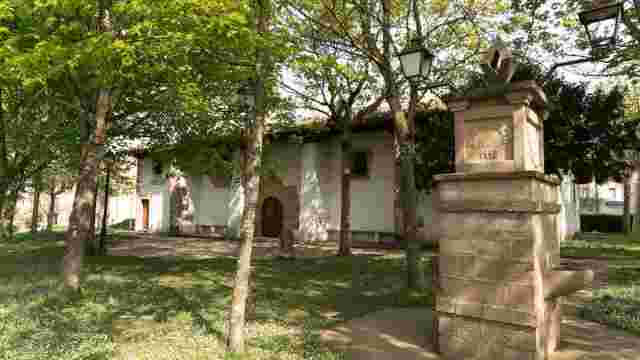
CHAPEL OF OUR LADY OF LOS REMEDIOS
A medieval chapel with ancient walls and a Baroque apse, notable for its three-bay nave and the pilgrimages held in June and August.
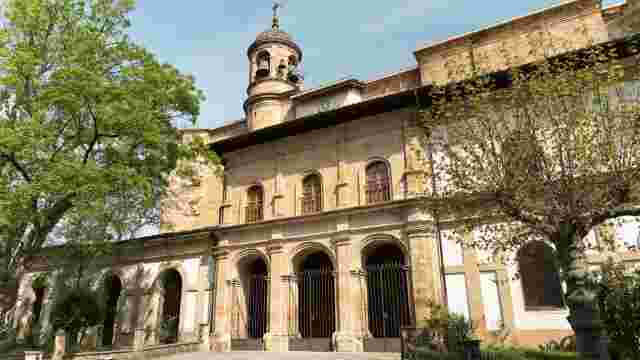
CHURCH OF OUR LADY OF THE ASSUMPTION
A 17th-century Gothic church featuring star-vaulted ceilings, a Neoclassical portico, Baroque altarpieces and a remarkable collection of gold and silverwork.
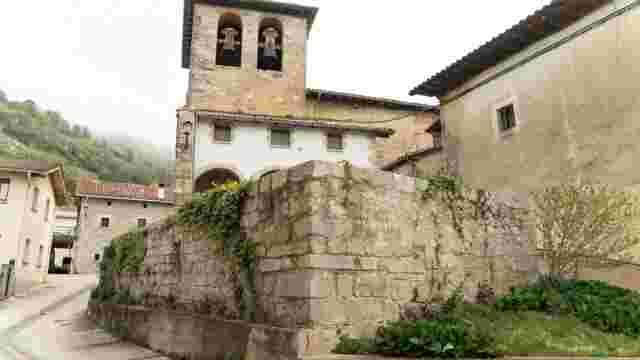
PARISH OF SANTA MARIA DE EGUIARRETA
A 13th-century Gothic church featuring a Plateresque altarpiece of Saint Peter and a historic baptismal font, ideal for lovers of art and history.
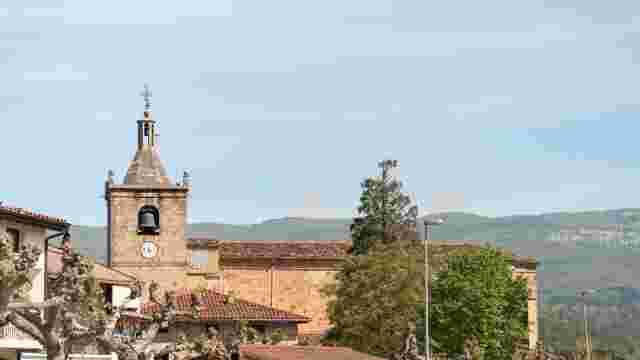
CHURCH OF OUR LADY
A 17th-century church in the Gothic style, featuring pointed arches, Baroque altarpieces and an organ dating from 1846. Of particular note are its star-shape...
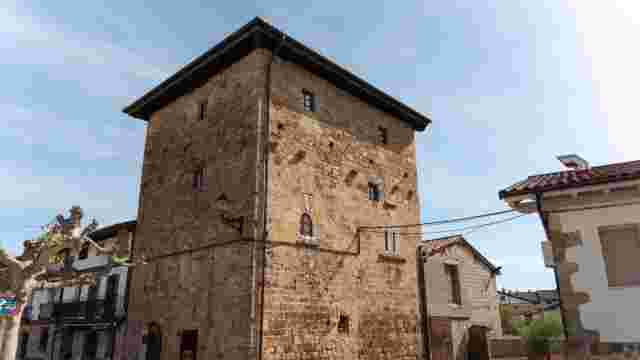
TOWER HOUSE
A 15th-century medieval tower with a square structure, arrow slits and a wooden machicolation, ideal for exploring historic defensive architecture.